Tribute to Jules Verne

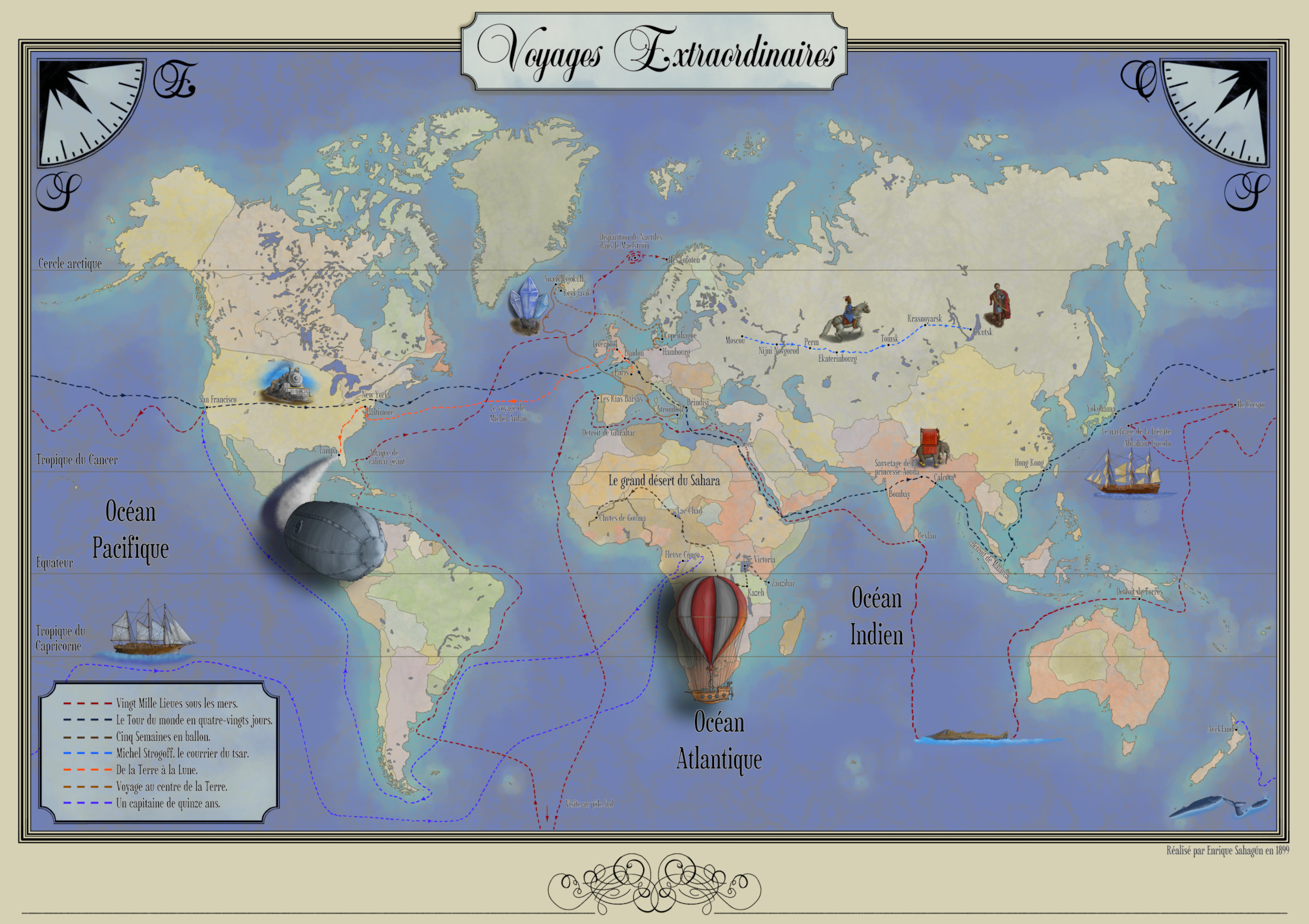
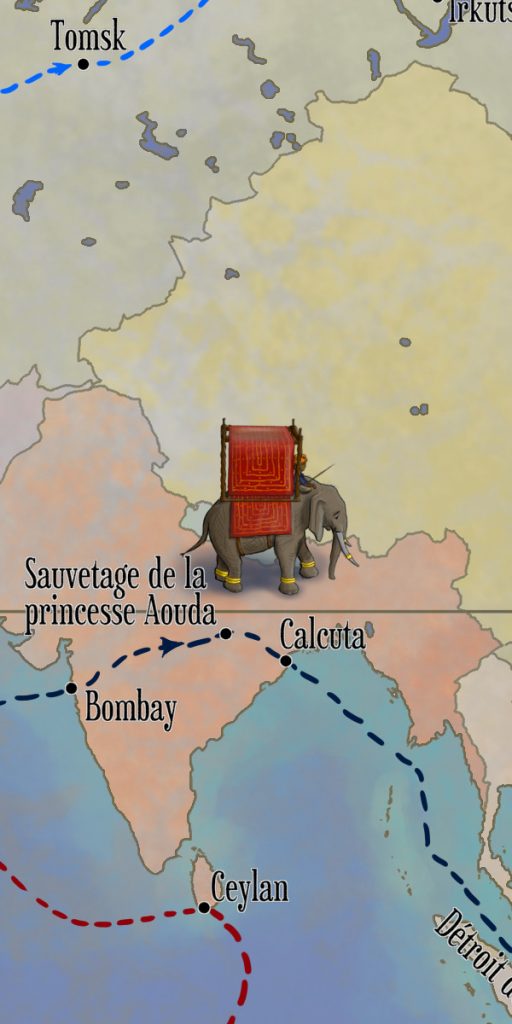
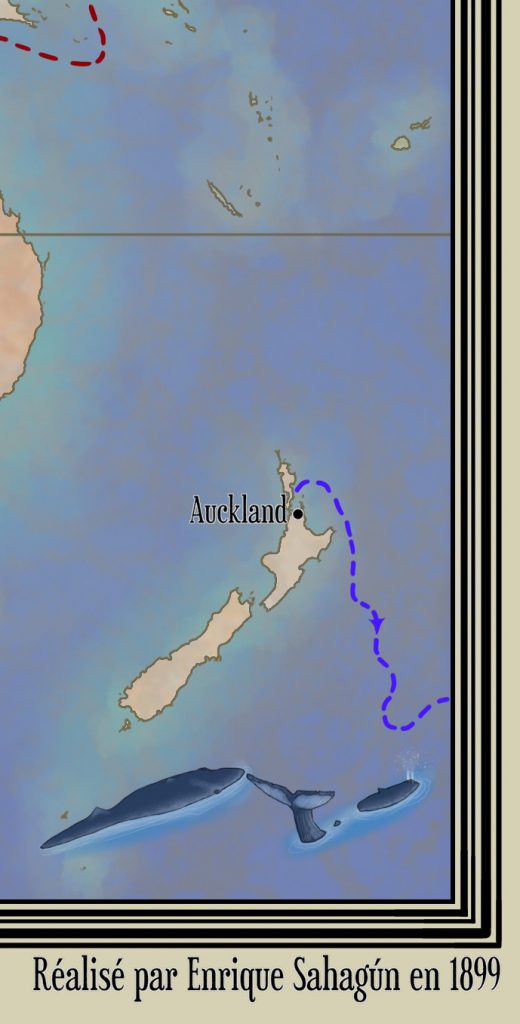
I belong to a generation that became interested in science because we saw Neil Armstrong walk on the moon or Jacques Cousteau levitating on the ocean floor. But science also reached us through Captain Nemo, Professor Aronnax, Otto Lidenbrock, and Michel Ardan.

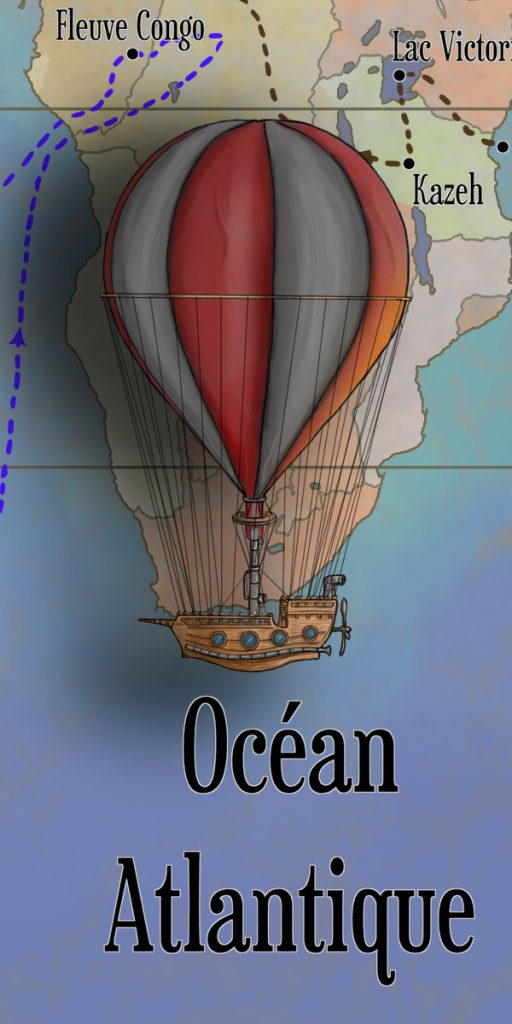
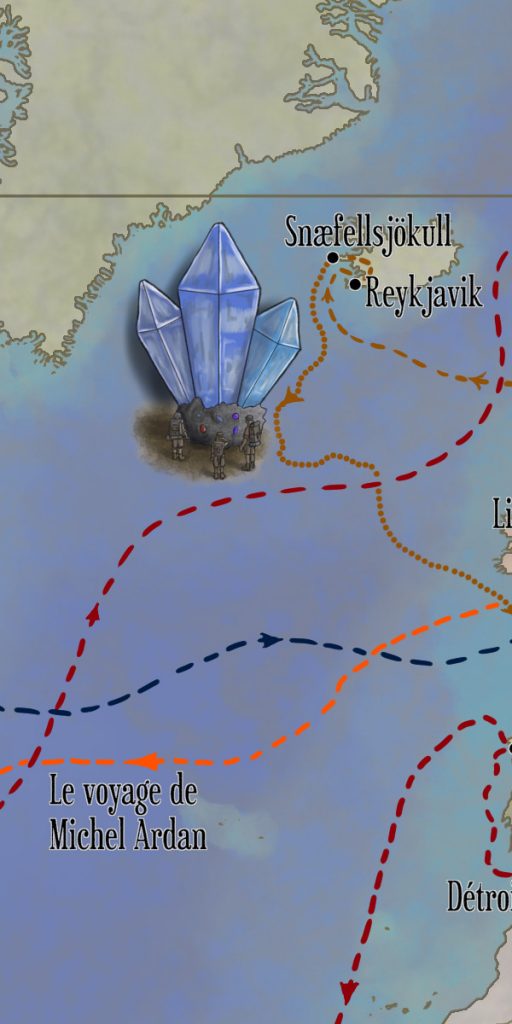
And this is a tribute to those works, to Jules Verne and his extraordinary voyages. Stories that made us dream of impossible projects and taught us that reason could take us to remote places. I’m making posters out of it, in case you are interested :).

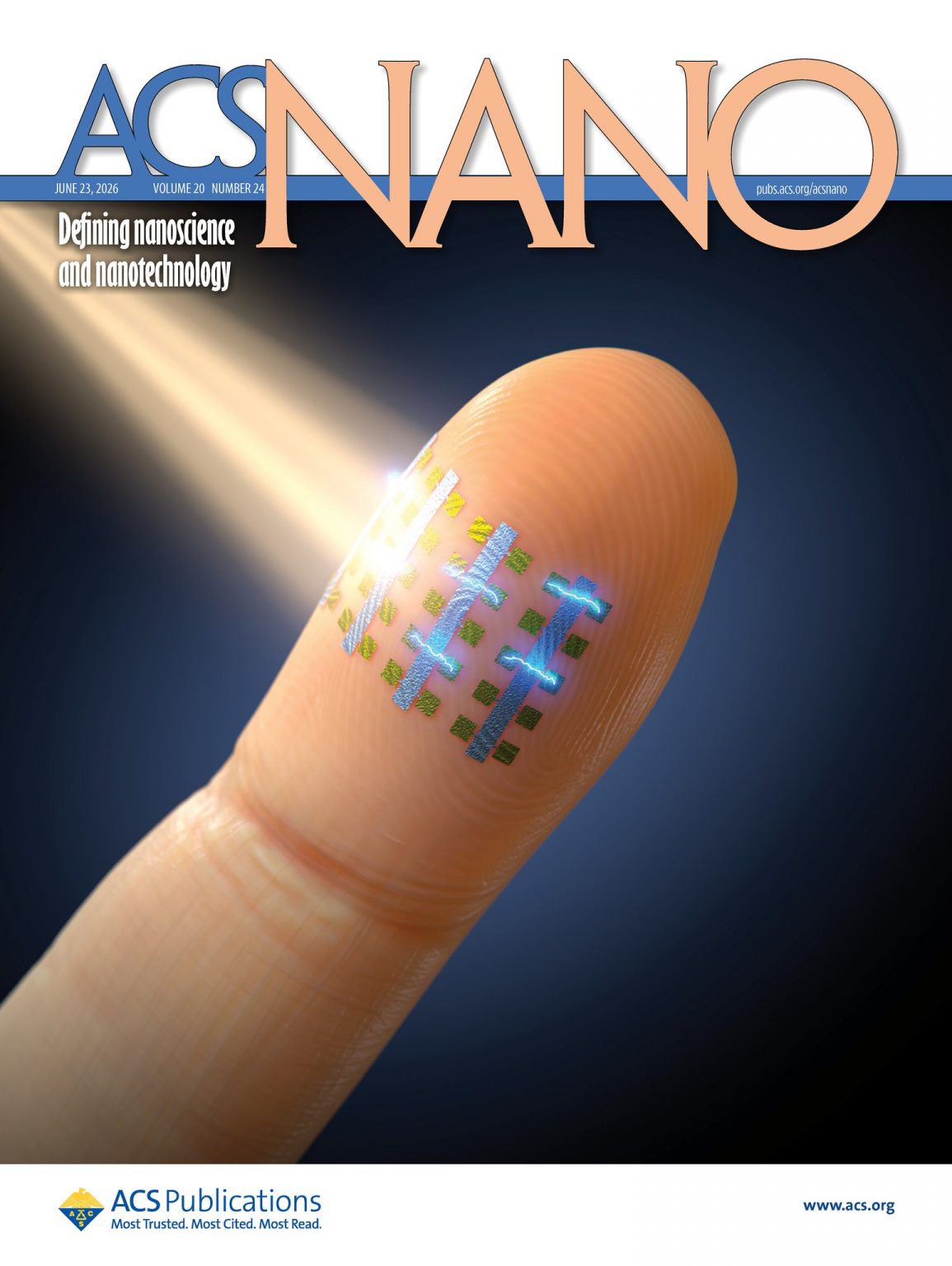
Transferring electronics EVERYWHERE!!!

Andrés Castellanos Lab always brings something wicked into the table. This time they’ve managed to create a method to transfer electronic devices into complex and dynamic surfaces: skin, leaves or other solids with convoluted shapes. Using their knowledge of Van der Waals forces and 2D semiconductors, Castellanos has made this prove of concept where the devices showed great performanes and responsivities.

“Ideas que cambiaron el mundo!”

We’ve recently participated in this series of outreach videos about physics and the ideas that changed the world. In this first series, transistors, LEDs and Lasers are the main protagonists.

This series, produced by the Institute of Condensed Matter Physics, IFIMAC, will tell us how the study of physics and abstract ideas, shaped the world we live in today.

Optical Control

Electronics are getting old in physics as we find new ways to control charges, currents and all sort of excited states. In the last years, optoelectronics, spintronics, or more recently, twistronics, valleytronics or excitonics are not only discovering new physics but also proposing exciting ways to organize and command particles.

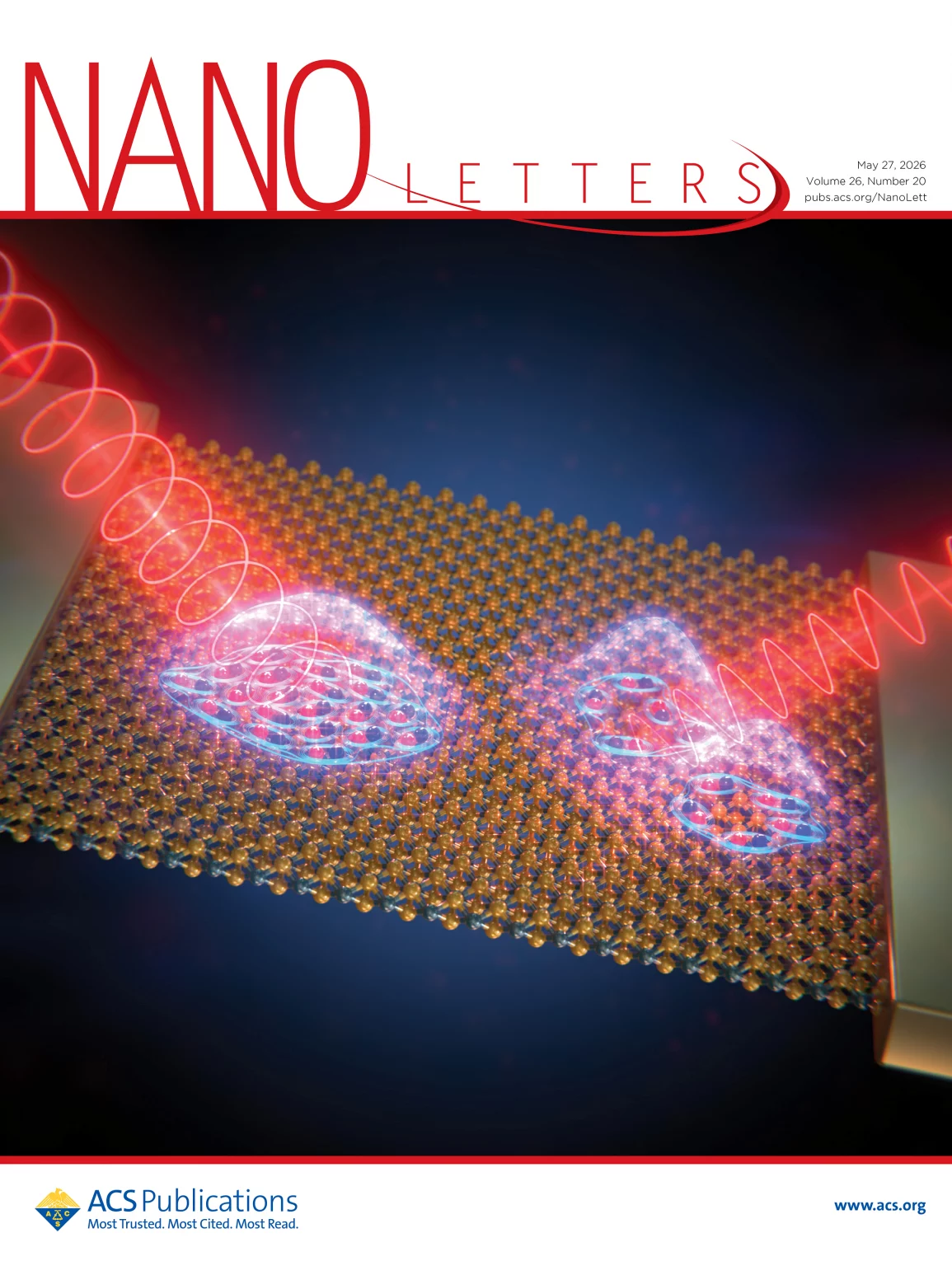
In this new paper, Daniel Vaquero, Marcos H. D. Guimarães et al. (University of Groningen) show how the polarization of light can affect the distribution of excitons in the energy landscape of crystals. In particular, they show “circular excitation selectively populates excitons in a single valley, whereas linear excitation populates both valleys, inducing a valley-dependent nonlinear photoresponse”.

This work has been featured in the cover on Nanoletters.

Cleaner Batteries

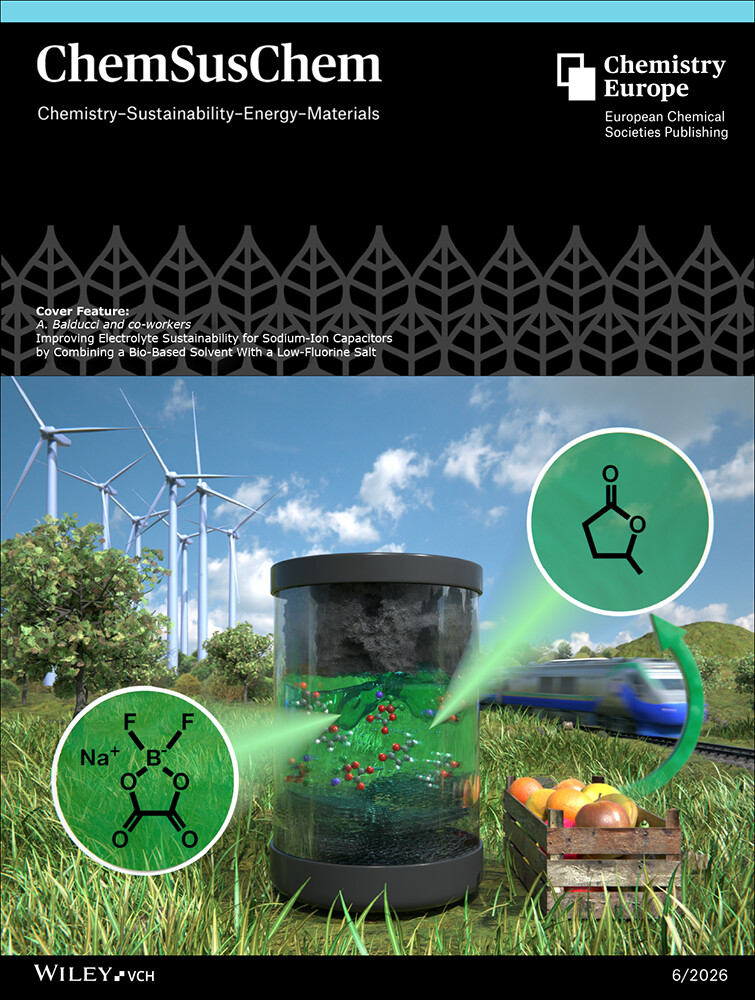
A huge effort it’s being made to produce cleaner batteries focusing on their sustainability. María Arnaiz, Andrea Anna Hainthaler and coworkers have studied a novel electrolyte formulation for application in a dual-carbon sodium-ion capacitor.

Their work has been featured in the cover of ChemSusChem.

Faraday effect revisited

In science, no matter how accepted a truth is, new ideas can always emerge that change our views. That’s one of the beauties of science.

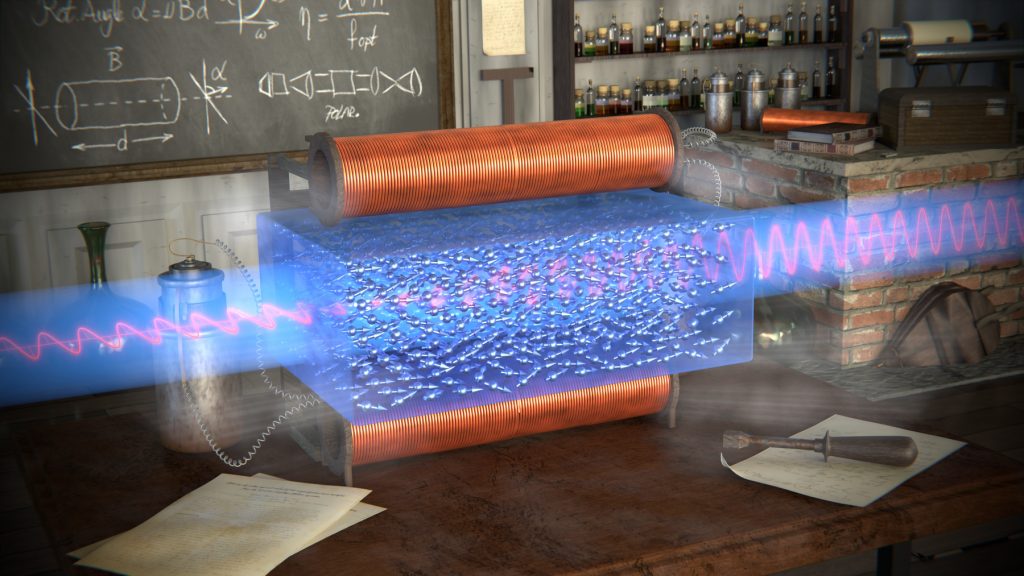
And that is exactly what happened recently with this new study from the Hebrew University of Jerusalem. Well stated principles as those from Faraday, have been put to the test, showing that the magnetic component of light plays an important role in its interaction with matter.

Prof. Amir Capua and Benjamin Assouline helped us closely in the making of this picture that illustrates this recent discovery.

Schrödinger equation: first steps

Lately I’ve been trying to recover the limited knowledge I acquire at the university on how to solve differential equations. These produce beautiful pictures and animations. And in particular, I’ve been learning how to solve the Schrödinger equation using the Crank-Nicolson algorithm.

Recent Covers

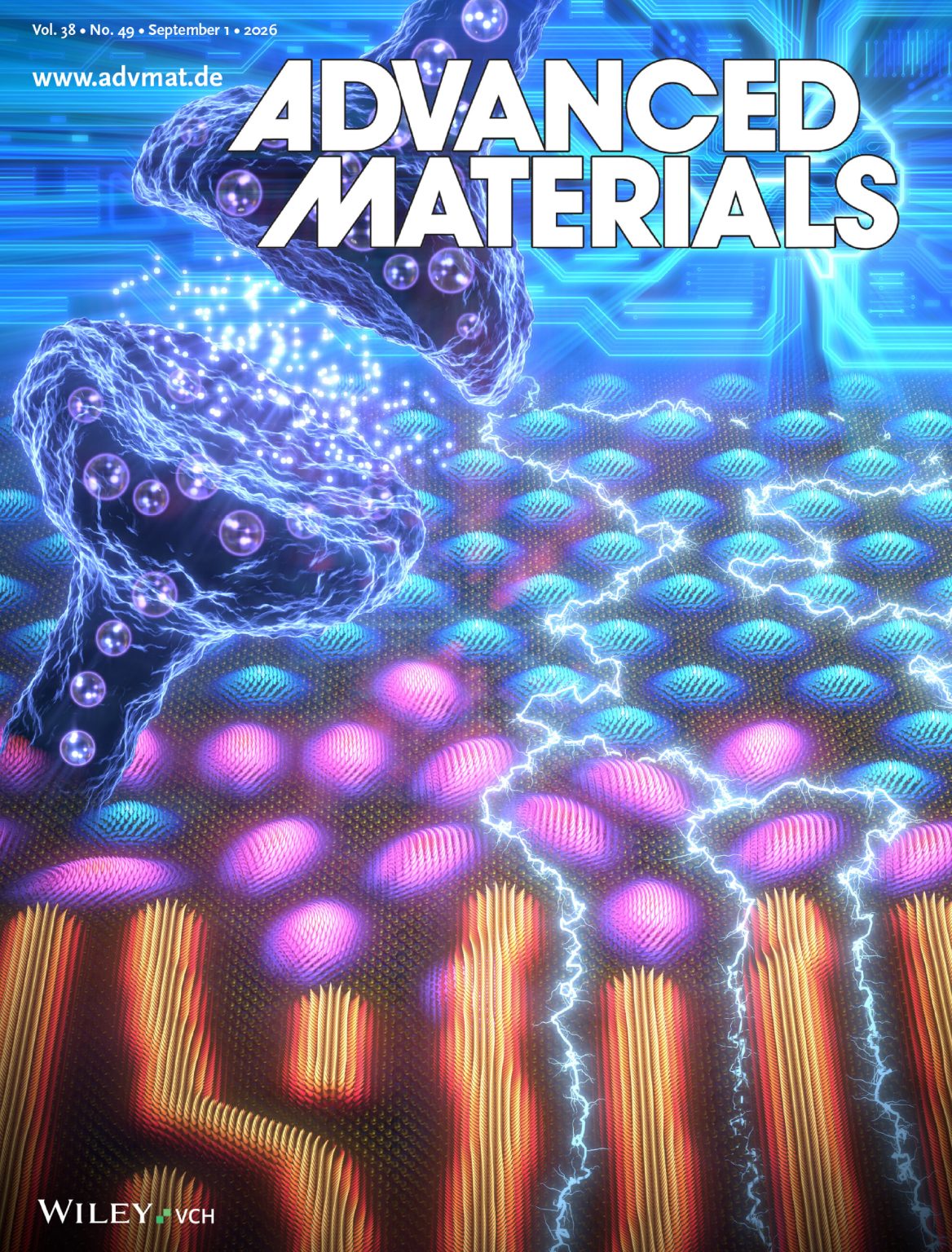
We’ve been working with our partners in new covers illustrating their fascinating research.

Heat and electronics

Being energy one of the main problems we have to face as a society and considering the amount of computation we are demanding, this new research happens to be particularly important. A multinational effort that includes Spain, Italy and the USA is unvealing the mechanisms of heat transport at the nanoscale. And they’ve found a new process that involves an wavy nature. In particular they’ve reported the observation of phonon interference at room temperature in molecular-scale junctions [link].

Their results have been published in Nature Materials.